Why UV Protection Matters for Your Eyes
When people think about sun protection, they usually think about their skin. Far fewer consider the effect sunlight can have on the eyes.
Ultraviolet, or UV, rays are invisible rays produced by the sun that can damage delicate eye tissues over time. Just as repeated sun exposure can age and injure the skin, long-term UV exposure may contribute to changes in the eyes that affect comfort, function, and vision.
Because this damage often happens gradually, many people do not realize the importance of protecting their eyes until problems develop later in life.
How Sun Exposure Can Affect Long-Term Vision
The eyes are exposed to sunlight every time you spend time outdoors, whether at the beach, on the water, driving, exercising, or simply running errands.
Repeated UV exposure has been associated with an increased risk of cataracts, growths on the surface of the eye, irritation, and other age-related eye changes. In some cases, intense exposure can also contribute to temporary inflammation of the cornea, which can be painful and disruptive.
Sunlight can also be more intense than many people realize because UV rays reflect off surfaces such as water, sand, pavement, and concrete. That means your eyes may be receiving exposure even when you are not looking directly toward the sun.
Protecting your eyes now can help reduce cumulative damage over time.
Children Need Eye Protection Too
Adults are not the only ones who need to think about UV safety. Children often spend extended time outdoors during the summer months and may receive significant sun exposure during sports, camps, vacations, and everyday play.
Developing lifelong habits early can make a meaningful difference. Encouraging children to wear quality sunglasses, hats, and seek shade when possible can help support healthier long-term vision habits.
Comfort matters too. When eye protection fits well and feels comfortable, children are more likely to wear it consistently.
Choosing the Right Sunglasses
Not all sunglasses provide the same level of protection. Dark lenses may reduce brightness, but darkness alone does not guarantee UV protection.
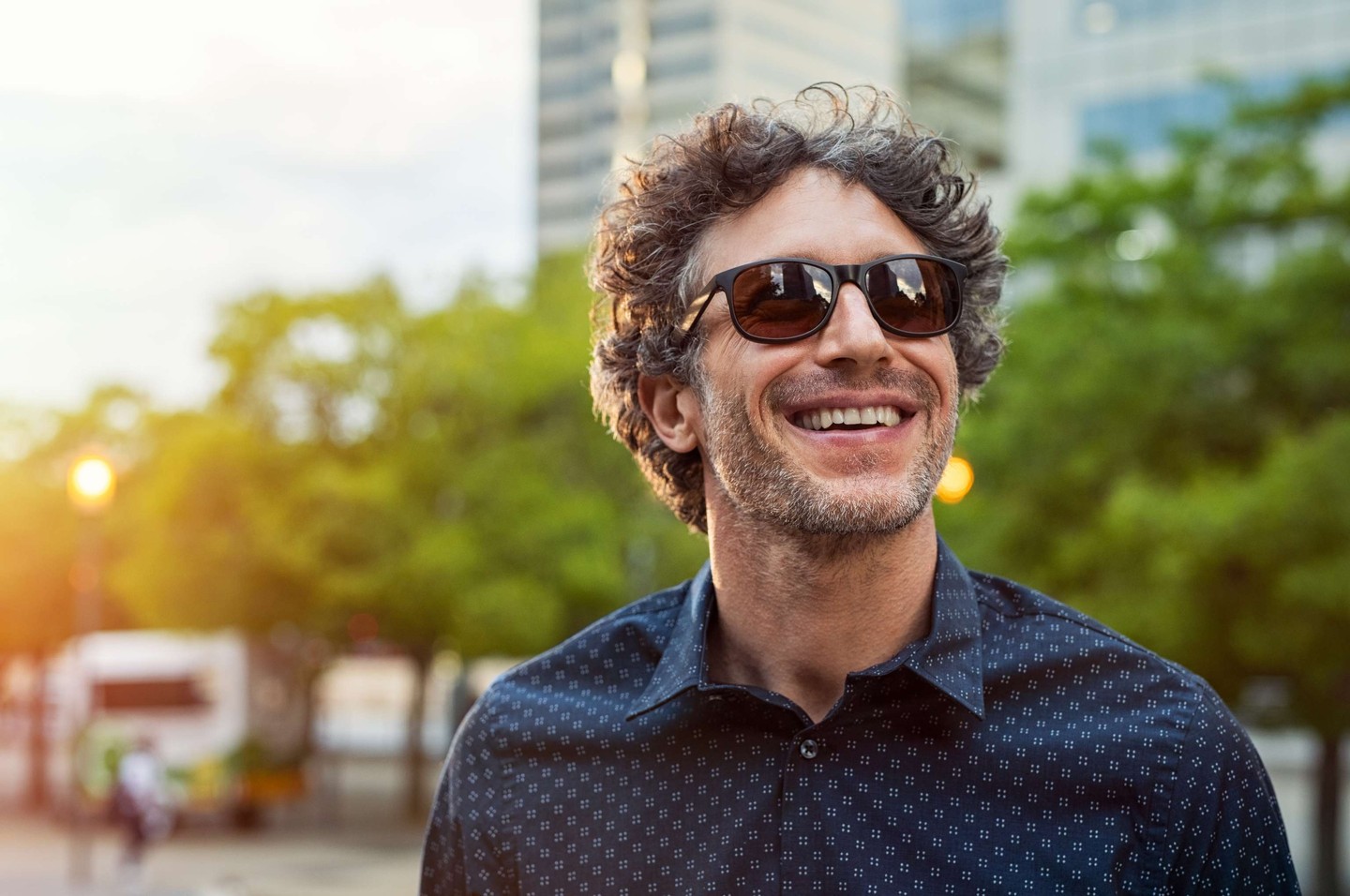
Look for sunglasses labeled as blocking 99 to 100 percent of UVA and UVB rays. Wraparound styles or larger frames can offer additional coverage by reducing light entering from the sides.
For people who spend extended time outdoors, polarized lenses may also improve comfort by reducing glare from reflective surfaces such as roads and water.
Good sunglasses are more than a fashion accessory. They are an important part of eye health.
Simple Ways to Reduce UV Exposure
Protecting your eyes does not have to be complicated. Small daily habits can make a meaningful difference.
Wearing sunglasses consistently, using a wide-brimmed hat, seeking shade during peak sunlight hours, and remembering eye protection even on cloudy days are all smart ways to lower exposure.
Because UV rays can pass through clouds, overcast weather does not eliminate risk. Consistency over time is what matters most.
When to Seek Care for Sun-Related Eye Concerns
If your eyes become persistently red, irritated, sensitive to light, painful, or your vision changes after significant sun exposure, it is wise to have them evaluated.
While some irritation may be temporary, ongoing symptoms should not be ignored. An eye exam can help determine whether inflammation, surface damage, or another issue is contributing to your discomfort.
Protect Your Vision All Summer Long
Summer is a great time to enjoy the outdoors, but protecting your eyes should be part of the plan.
Simple habits such as wearing quality sunglasses and limiting unnecessary UV exposure can help support healthy vision for years to come.
Your eyes work hard every day. Giving them the protection they deserve is a smart investment in your long-term health.