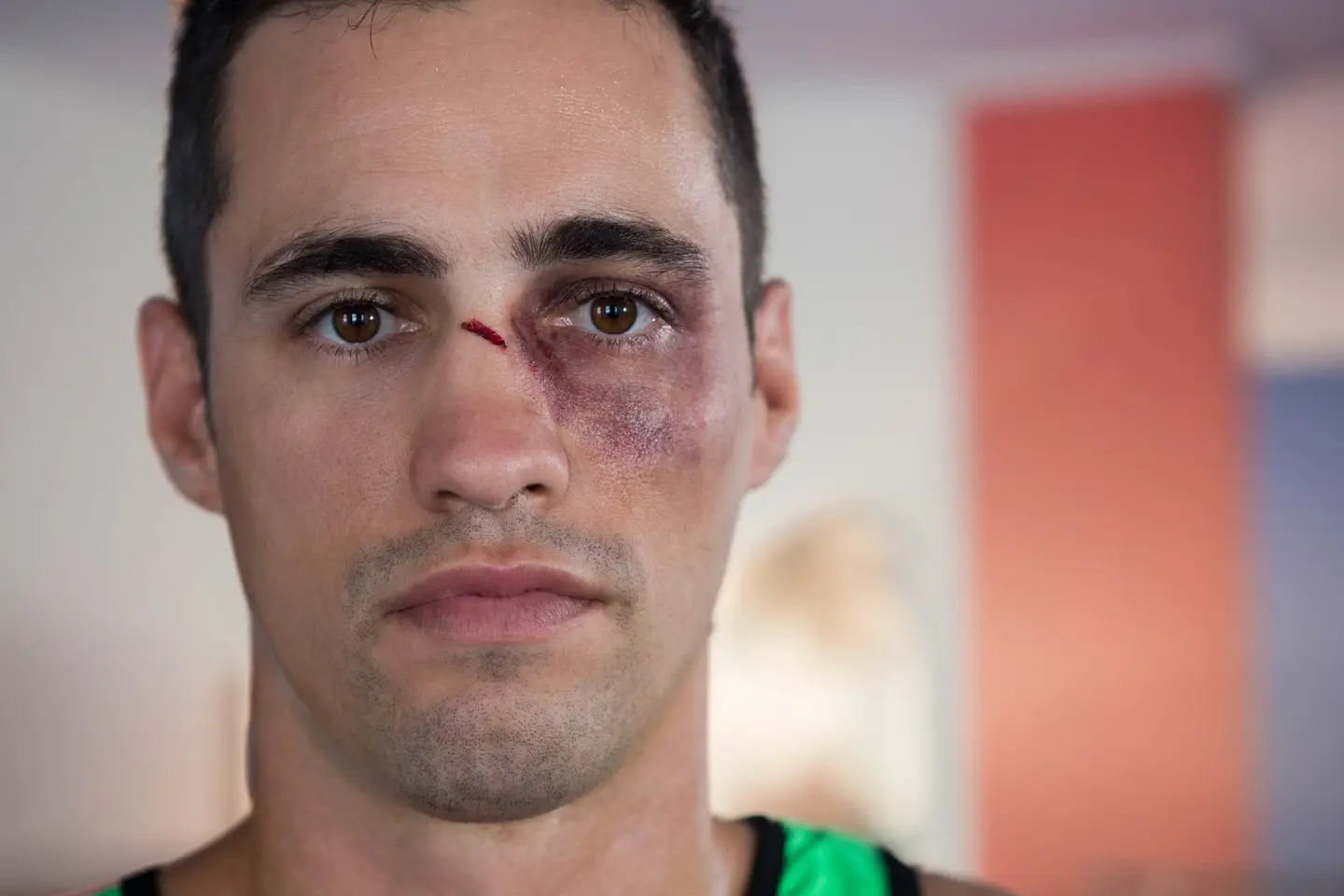
Some vision changes should never be ignored. Flashes of light, a sudden increase in floaters, blurred vision, or a shadow or curtain over part of your vision can be warning signs of a serious eye condition. Eye injuries and sudden symptoms should always be taken seriously. Getting prompt care can make a difference in protecting your sight. If something feels off with your vision, do not wait to have it evaluated. #EyeEmergency #EyeHealth #VisionCare #ProtectYourVision #EyeCare #HealthyVision
Our office will be closed on Monday, May 25, 2026, in observance of Memorial Day. As we honor and remember those who have served, we also encourage our patients to plan ahead for any upcoming appointments to stay on track with their eye care. We will resume normal business hours the following day.
Pickleball is one of the fastest-growing sports, but many players do not think about eye protection. With fast-moving balls and close court positioning, the risk of eye injury is higher than many realize. The good news is that protective eyewear is a simple step that can help reduce that risk and keep you focused on the game. Whether you are playing competitively or just for fun, protecting your eyes should be part of your routine on the court. #EyeSafety #Pickleball #EyeHealth #StayActive #ProtectYourVision #ActiveLifestyle
Eye injuries can happen in any sport, at any age. From football and baseball to pickleball and recreational play, fast-moving equipment and close contact increase the risk of serious eye injury. Many of these injuries are preventable with the right protective eyewear. Whether on the field, court, or practice field, taking simple steps to protect your eyes can help keep you in the game and focused on what matters. #EyeSafety #SportsSafety #EyeHealth #YouthSports #ProtectYourVision
Some everyday habits can quietly impact your eye health over time. Sleeping in contact lenses, rubbing your eyes, skipping sunglasses, and long hours on screens without breaks can all add unnecessary strain. Over time, these habits can affect comfort and long-term vision. The good news is that small changes in your daily routine can make a meaningful difference in protecting your eyes. #EyeHealth #VisionCare #HealthyHabits #EyeCare #EyeSafety #ScreenTime
What you eat plays a role in your eye health. Nutrients like omega-3 fatty acids, lutein, zinc, and vitamins C and E can help support long-term vision and overall eye function. Foods like leafy greens, salmon, eggs, citrus fruits, and colorful vegetables are all great additions to your diet. Taking care of your eyes isn’t just about exams. It’s also about the daily choices you make, including what’s on your plate. #EyeHealth #HealthyVision #NutritionForHealth #VisionCare #EyeCare #HealthyLifestyle #WellnessTips
Vision changes are often gradual, which makes regular comprehensive eye exams especially important. Many serious eye conditions develop without early symptoms. Routine eye care allows ophthalmologists to detect problems early and begin treatment before vision is affected. Protecting your sight starts with proactive care and regular monitoring of your eye health. #EyeHealth #ProtectYourVision #HealthyVision
Spring allergies often affect the eyes as much as the sinuses. Seasonal allergens such as pollen can cause redness, itching, watering, and irritation. Protecting your eyes may include limiting exposure to allergens, avoiding rubbing your eyes, and seeking professional care if symptoms persist. If eye irritation becomes severe or affects your vision, schedule an eye evaluation to determine the best treatment. #EyeHealth #AllergySeason #HealthyVision