A Great Costume Shouldn’t Put Your Vision at Risk
Halloween brings elaborate costumes, dramatic makeup, masks, colored contact lenses, and plenty of accessories designed to complete the look. While most Halloween celebrations end with nothing more serious than too much candy, some popular costume choices can create unnecessary risks for your eyes.
Eye injuries can range from minor irritation to damage involving the cornea, retina, or other structures inside the eye. Some problems are immediately painful and obvious. Others may initially seem minor but can threaten vision if they are not evaluated promptly.
A few precautions can help children and adults enjoy Halloween without putting their eyesight at risk.
Decorative Contact Lenses Are Medical Devices
Colored or decorative contact lenses can dramatically change the appearance of the eyes, making them a popular addition to Halloween costumes. But contact lenses are not simply costume accessories.
Contact lenses are medical devices, including lenses that do not correct vision. Wearing decorative lenses without a proper prescription and fitting can increase the risk of scratches to the cornea, infection, inflammation, and other complications.
Lenses purchased from unregulated sellers may not fit the eye properly. Sharing decorative lenses with another person also increases the risk of infection. If decorative contacts are part of your Halloween plans, talk with a qualified eye care professional first and obtain lenses from a legitimate source with a valid prescription.
Be Careful With Makeup Around the Eyes
Halloween makeup can transform a costume, but products used too close to the eye can cause irritation or injury.
Avoid applying makeup directly along the inner eyelid or using products that are not intended for use around the eyes. Glitter and small decorative particles deserve particular caution because they can enter the eye and scratch or irritate its surface.
Never share eye makeup or applicators with another person, and remove makeup carefully before going to sleep.
If makeup or another cosmetic product gets into the eye, avoid aggressive rubbing. Irritation that persists, significant pain, redness, light sensitivity, or changes in vision should be evaluated by an eye care professional.
Masks Can Create a Different Kind of Vision Problem
Masks and elaborate headpieces can restrict peripheral vision, particularly for children walking outdoors after dark. A costume may look great in the mirror but become hazardous if it makes it difficult to see approaching vehicles, curbs, stairs, other trick-or-treaters, or objects in the walking path.
Before heading out, make sure masks fit securely and provide an adequate field of vision. Children should be able to see clearly in front of them and to both sides.
Whenever possible, consider face paint or makeup as an alternative to masks that significantly obstruct vision, provided the products are safe for use around the eyes.
Watch Out for Wands, Swords and Other Costume Accessories
Toy swords, wands, canes, sticks, and other pointed costume accessories can cause serious eye injuries, especially when children are running or playing in crowded areas. Blunt trauma or a direct impact to the eye can sometimes affect structures inside the eye even when there is little visible damage on the outside.
Choose soft, flexible accessories whenever possible and avoid costumes that include sharp or rigid objects near eye level. Children should also be reminded not to swing costume accessories toward another person’s face.
Not Every Serious Eye Injury Looks Serious
A common misconception is that a serious eye injury will always produce obvious bleeding, swelling, or severe pain.
That is not necessarily the case.
Blunt trauma to the eye can potentially affect the retina or vitreous inside the eye. Depending on the injury, retinal tears, retinal detachment, bleeding within the eye, or other complications may occur.
This is why changes in vision after an eye injury should never be dismissed simply because the eye looks normal from the outside.
Know the Warning Signs After an Eye Injury
Following a hit, poke, fall, or other injury involving the eye, pay close attention to changes in vision. Seek prompt medical evaluation if you experience:
- New flashes of light
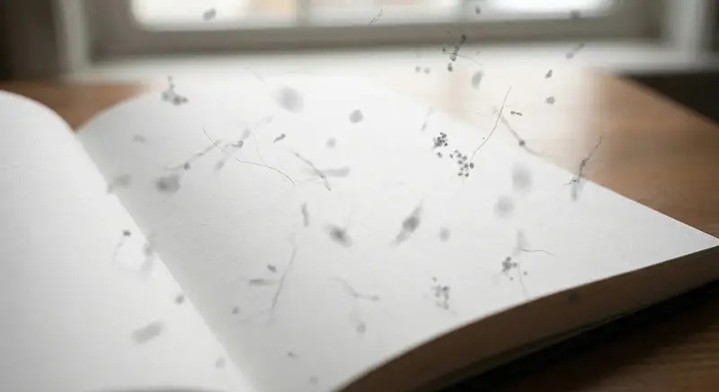
- A sudden increase or shower of floaters
- Blurred or distorted vision
- A dark or missing area in your vision
- A curtain or shadow moving across your field of view
- Loss of peripheral vision
- Sudden or significant vision loss
- Persistent eye pain or significant light sensitivity
These symptoms can have several possible causes, but some may indicate damage involving the retina and require timely treatment.
What Should You Do If Something Gets in the Eye?
Halloween celebrations can expose the eyes to makeup, glitter, dust, debris, or other foreign material. For loose particles or irritating substances, gently flushing the eye with clean water may help. Avoid rubbing the eye, which can worsen irritation or potentially scratch the surface.
If an object has penetrated or become embedded in the eye, do not attempt to remove it yourself. Protect the area from additional pressure and seek emergency medical care.
Chemical exposures, severe pain, bleeding, significant trauma, or any change in vision should also be evaluated promptly.
When a Retina Specialist May Be Needed
Many eye injuries affect the surface of the eye and can be managed by an optometrist, ophthalmologist, urgent care provider, or emergency department depending on the circumstances. When trauma affects the back of the eye, however, specialized retinal evaluation may be necessary.
A retina specialist can perform a dilated examination and use advanced imaging when appropriate to evaluate the retina and vitreous for tears, detachment, bleeding, swelling, or other damage.
Prompt diagnosis can be especially important when a retinal tear or detachment is suspected because delaying treatment may increase the risk of permanent vision loss.
Keep Halloween Fun and Safe
Halloween should be memorable because of the costumes, celebrations, and time spent with family and friends, not because of a preventable eye injury. Choose costumes that allow clear vision, use eye makeup carefully, avoid sharp accessories, and remember that decorative contact lenses require the same care and professional oversight as other contact lenses. Most importantly, pay attention if something suddenly changes in your vision.
At Mississippi Retina Associates, our physicians specialize in diagnosing and treating diseases and injuries affecting the retina and vitreous. If an eye injury is followed by flashes, floaters, a shadow or curtain in your vision, or sudden vision loss, seek medical attention promptly.